
The great debate: should you fit driving lights for better night vision, or resist driving at night and save the money for a few extra tanks of fuel? That’s an easy answer for me. It’s also an easy and opposing answer for others.
I say do it. There – I might have saves you reading the rest of the article, but there’s a heap of other useful info you might glean, so be sure to read on through my scribbling.
Others might say that you’re mad for driving at night, risking animal strike, so don’t do it.
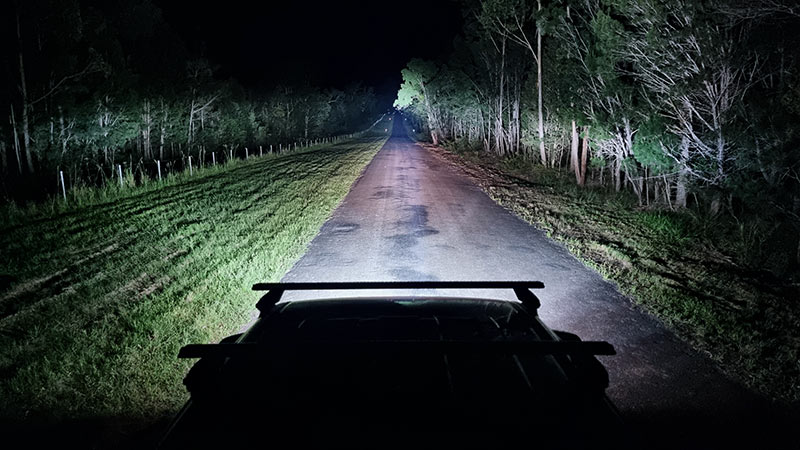
While it’s easy to say not to drive at dusk, dawn or anywhere in between, it’s not that simple. For instance, the great meal, the markets, fantastic entertainment with a night out in a rural town, or a night time tour that can’t be missed. All these scenarios and more will see you hitting the roads after dark. No amount of leaning forward in your seat closer to your windscreen, squinting your eyes or opening them wider will help you see the road ahead or to the sides any clearer.
Driving lights are your only answer. But what type?
HALOGEN, HID OR LED?
The ‘good old days’ of halogen are pretty much gone. Yes, a handful of brands are still flying the halogen banner, and for good reason. I used a set just a couple of years ago and had great results. Their main advantage is the colour of the light they emit is close to natural. Not the brightness – the colour.
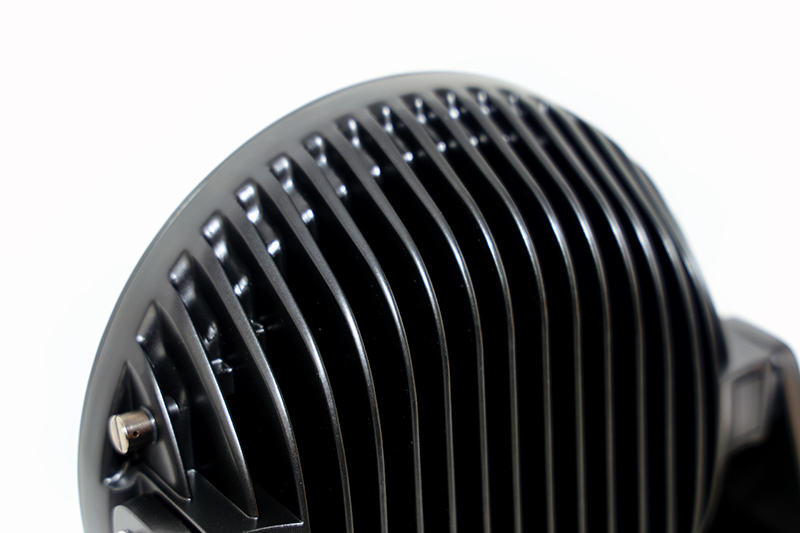
Halogen lights offer a warm hue that is more pleasing to the eyes (less harsh) and return a high colour rendering index (CRI), a reference to how natural objects look under a light. Some LEDs (depending on their light temperature) are lower on this chart.
Older versions of LED lighting, with high Kelvin ratings (a temperature scale), tend to look overly white and bluish to the eye, which causes eye strain, fatigue and an inadequate driving experience. Later versions are improving, with Kelvin ratings closer to matching natural daylight but still not up to halogen standards.
As for HID lights, they were a ‘thing’ years ago, with phenomenal and instant brightness. These days, plenty of LED lights vie for similar abilities.
ROUND OR BARS?
All light bars and most round driving lights sold now are LED. Initially, round LED driving lights couldn’t return a great spread, hence the light bar in an attempt to spray a wide light pattern across the tracks.
Now, with improvements in optics engineering, a round LED is more than capable of returning both a long pencil bean and a wide spread. My, how times have changed!
CLIP-ON COVERS
Some of the clip-on covers I’ve tried over the years have been a miserable failure. Not only do they dull the light considerably, compared to not using them, but the attempted wide beam was not overly controlled, scattering light hell, west and crooked.
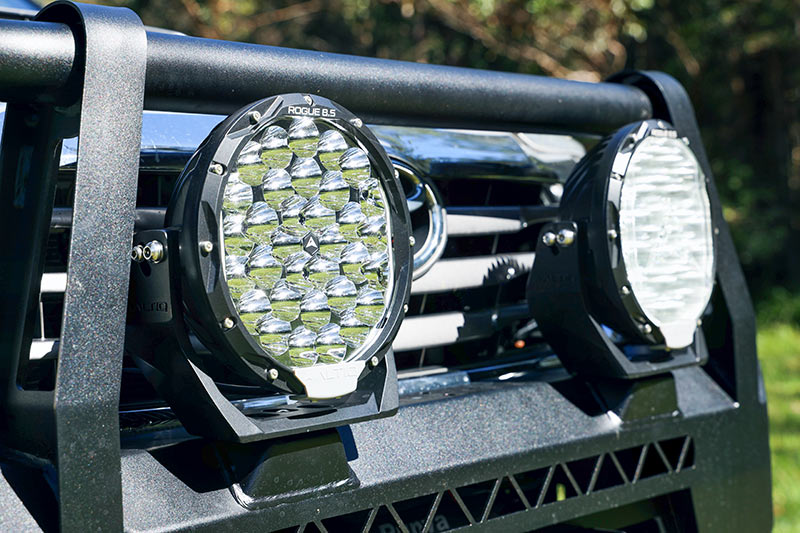
More recently, a few brands have developed a much better system of controlling the light and making a clip-on cover that stays on long-term. Covers are a beaut way of altering a beam pattern and changing the light colour to amber or blue if needed for driving in foggy, salt-spray, dusty or misty conditions.
MOUNTS FOR DRIVING LIGHTS
There is no point in having a set of lights if they are shaking all over the joint at the slightest mention of a corrugated track. Having the beams waving and wobbling all over the place is unnerving and annoying.
LATEST, BUT ARE THEY THE GREATEST?
My latest set of driving lights features much of what I’ve written about above, plus more. The Kelvin is 5700, and the CRI is at 87, so it’s not too harsh on the eyes, although it’s not up to halogen standards. They have an IP rating (waterproofness) of up to 69K, meaning they’re not leaking above or under high-pressure water. While it doesn’t make for a sale to me, the 1 Lux distance feature that most manufacturers push is up to 1.9km for the pair. Take that as meaning the light is bright and travels a long way. The mounting brackets are incredibly sturdy and prevent vibration on my bar.
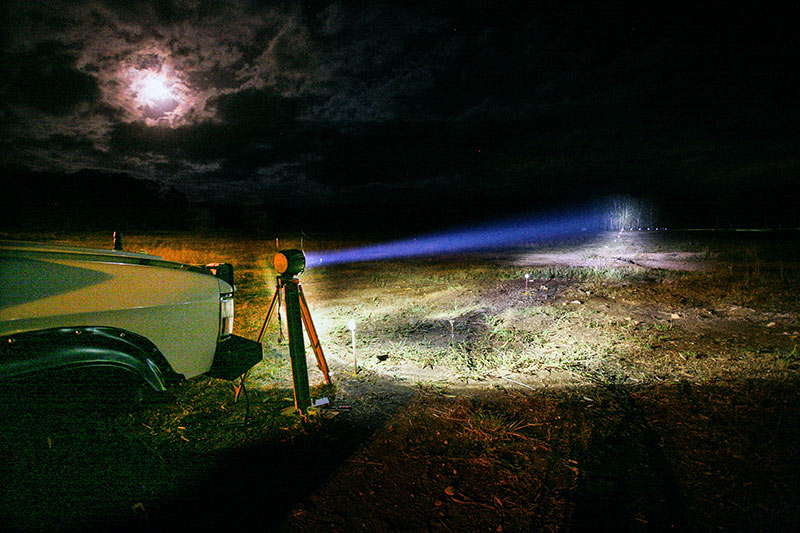
While there were plenty of pretty coloured parts to add to these lights, I’ve stuck with boring black and grey trim. I’ve also ticked the box for a set of amber clip-on covers for those foggy drives.
Overall, the hybrid optics, the beam management, the ability to change as needed, and the depth of quality light caught my eye and made me want to try these lights.
The clip-on cover returns an impressive 180-degree field of view and doesn’t overly dim the light output. I’ve set my light pair up with one clip-on cover and one without, providing me with an excellent driving combination that will ensure long-distance spotting is easy and effective. The super-wide field of view will also alert me to any possible dangers lurking just off to the sides of the road.
These Altiq Rogue 8.5 MK3 LED lights are new to me, but they may be the best I’ve used. Time will tell, as it’s early days to date, but my initial thoughts are double thumbs up.
WHO AM I TO SAY?
Over the last twenty years of testing products for 4WD and caravanning applications, I’ve completed three significant light comparisons, including the use of about 100 sets of halogen, HID and LED variations, plus the differences between round (or a slight derivative of) as well as light bars.
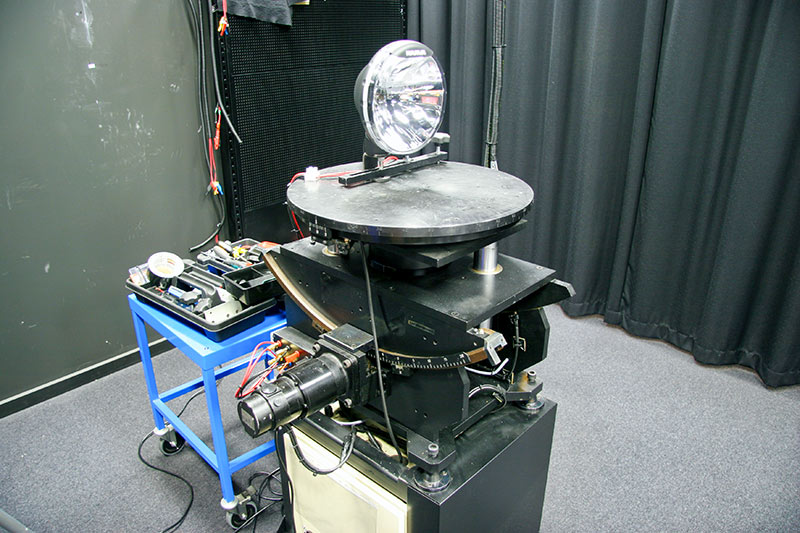
I’ve also been involved with high-tech goniophotometer light testing machines (perhaps Google that one; I assure you it’s not a nasty disease), along with various layman-style testing that returned results comparable to the high-tech tests I have conducted.
I get it. There is no one simple winner or answer as to which is the best light to use. That depends on individual circumstances, driving styles, and personal preferences.
For an all-encompassing, multi-purpose light combination that will enhance the lighting of most vehicles, I’ll always suggest a combination package of one spot and one spread beam. This should provide enough distance and a broad spread across the road to spot any hidden dangers – hopping or otherwise.
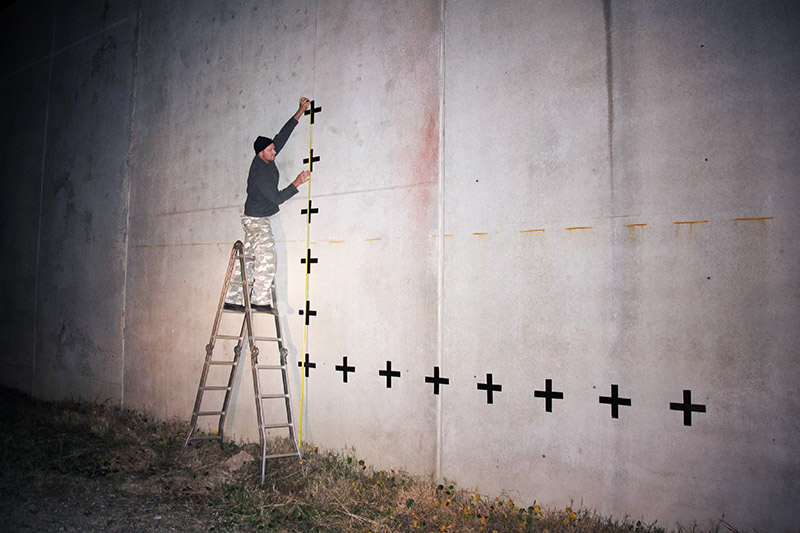
Sure, two spots will return superior long-distance lighting, but who needs to see kilometres down any road or track? Then again, two spreads will return a better short to medium-light effect for slow, offroad driving, but they may be left wanting when cruising at higher speeds.
To my way of thinking and experience, one of each wins every time, provided the lights are quality and the beams are designed to offer the perfect amount of light intensity, range, and coverage without scattered light that distracts the driver.