
What’s the worst thing that could happen to you on your next caravan holiday? You could get a flat tyre on an outback road. The engine in your tow tug could suffer a major breakdown. You could run out of fuel trying to stretch the tank to the next town. Or you could run out of beer in the middle of happy hour. While some of these may cause you various levels of inconvenience, none of these should actually result in your death or serious injury.
No one wants to think about all the things that could go wrong when caravanning, but the fact remains, the Australian outback is unforgiving, and you need to be prepared for the very worst.
This month, we want to give you our top 10 caravanning tips that could literally save your life or that of a fellow traveller in need…
1. CARRY A DECENT FIRST AID KIT
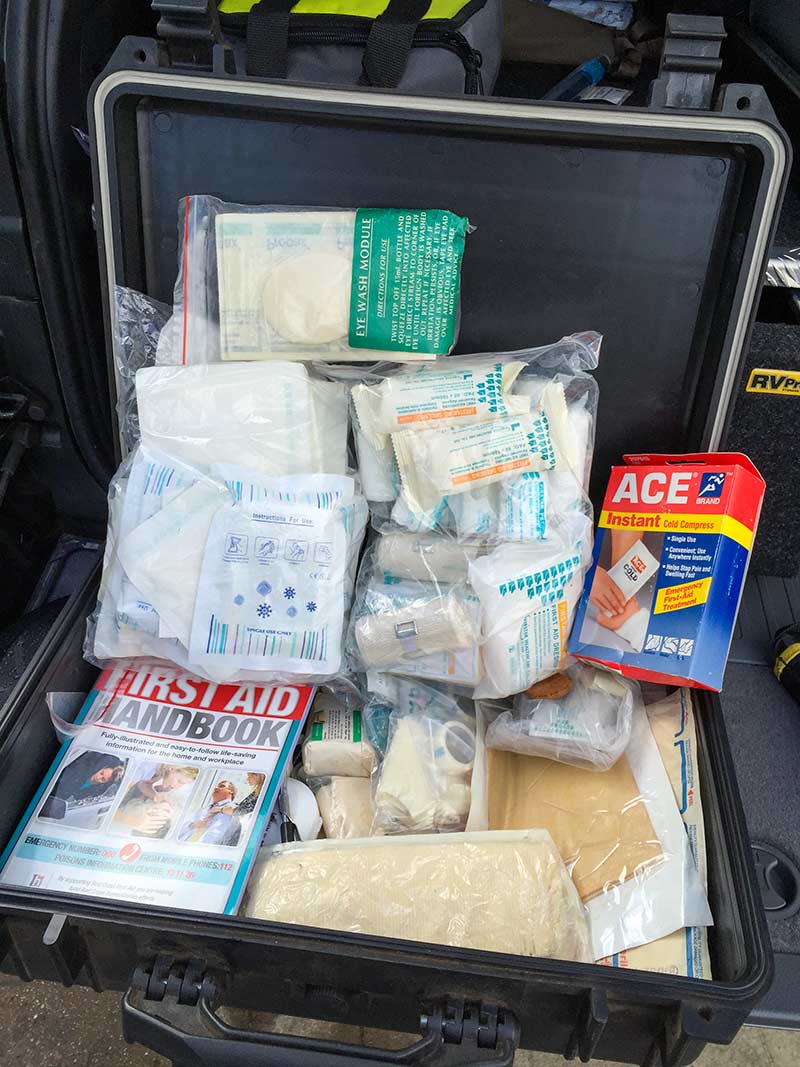
It doesn’t matter how careful you are, accidents can and do happen. Most travellers carry a first aid kit of some sort, but they are usually small and really only designed to handle minor scrapes and cuts. When travelling throughout Australia, especially in regional and remote areas, you need to be prepared to deal with much more severe injuries. Large wounds need large bandages. If you come across a serious car crash, you may have to deal with multiple casualties with multiple injuries all at once. At the very least, carry a first aid kit designed to treat snake bites.
2. DO A FIRST AID COURSE
Having a first aid kit is almost useless when caravanning if you have no idea how to use it. A first aid course is one of the first things you should do if you intend to travel Australia by caravan. It might surprise you to know just how long it can take the nearest emergency services to get to your location. You may have to look after a seriously ill or injured person for hours in remote areas. Knowing how to do CPR, use a defibrillator, or just treat someone with heat stroke can keep a person alive until help arrives.
3. EMERGENCY COMMUNICATION WHEN CARAVANNING
You don’t have to travel too far outside the major population centres to find yourself out of range of the mobile phone network. Even in Victoria, there are areas with no phone coverage. It is essential to be able to contact emergency services no matter where you are, and satellite-based communications are the way to go. Satellite phones, EPIRBs (distress beacons) or text-based communicators like Zoleo allow you to notify the emergency services that you need help and, more importantly, where they can find you.
4. NON-PERISHABLE FOOD AND DRINKING WATER
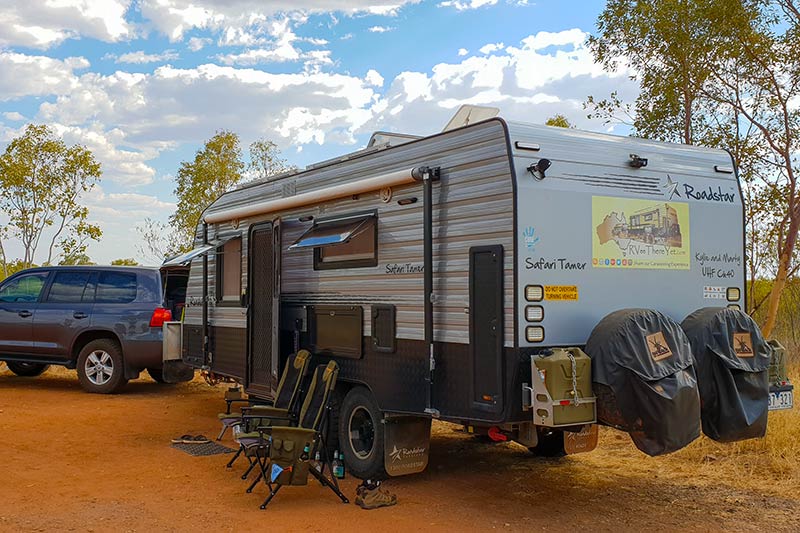
Did you know that a healthy person requires around 2.5L of water a day to survive? You can double or even triple that in extreme heat, if you’re elderly or have a medical condition. It’s a good idea to carry at least 20L of water for general caravanning and more if you intend to head outback. Your caravan’s water tanks are great for this, but also consider a second store, such as a jerry can, in case you damage your van’s tanks. It’s also a good idea to carry some non-perishable or long-life food in the event you lose your food supply.
5. EMERGENCY POWER SOURCE
These days, we have come to rely very heavily on technology that is powered by rechargeable batteries. Mobile phones, hand-held UHF radios, torches, GPS, and emergency communications devices will all be very useful in emergencies, but they are quite useless if their batteries are flat. Having an independent power source, such as a power bank or small solar generator, means you can put some charge into these devices if needed.
6. INSTALL A CARBON MONOXIDE ALARM
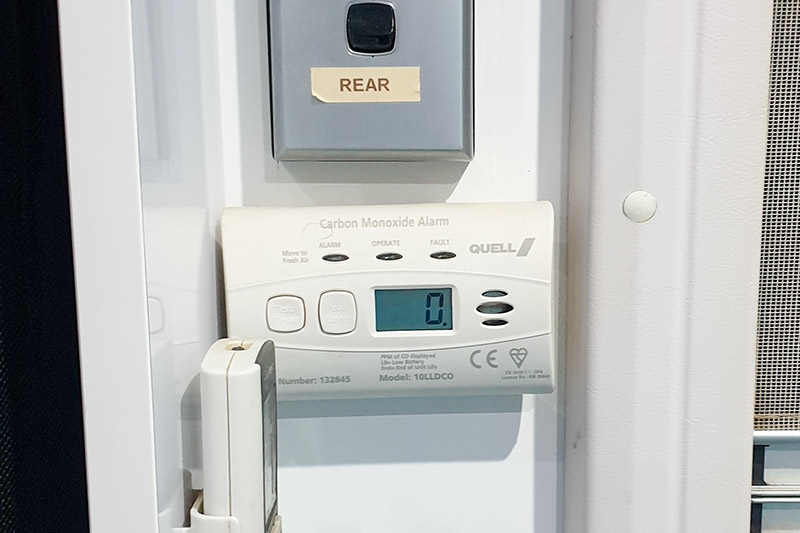
Pretty much all caravans come with a smoke alarm fitted, and these are essential for your safety, but very few would have a carbon monoxide alarm. Fortunately, they are readily available from most hardware stores and they are very easy to install. Carbon monoxide is colourless, odourless, and you may not feel its effects on you until it’s too late. The risk of dying from CO2 poisoning inside your caravan is very real.
7. PACK AS YOU JACK
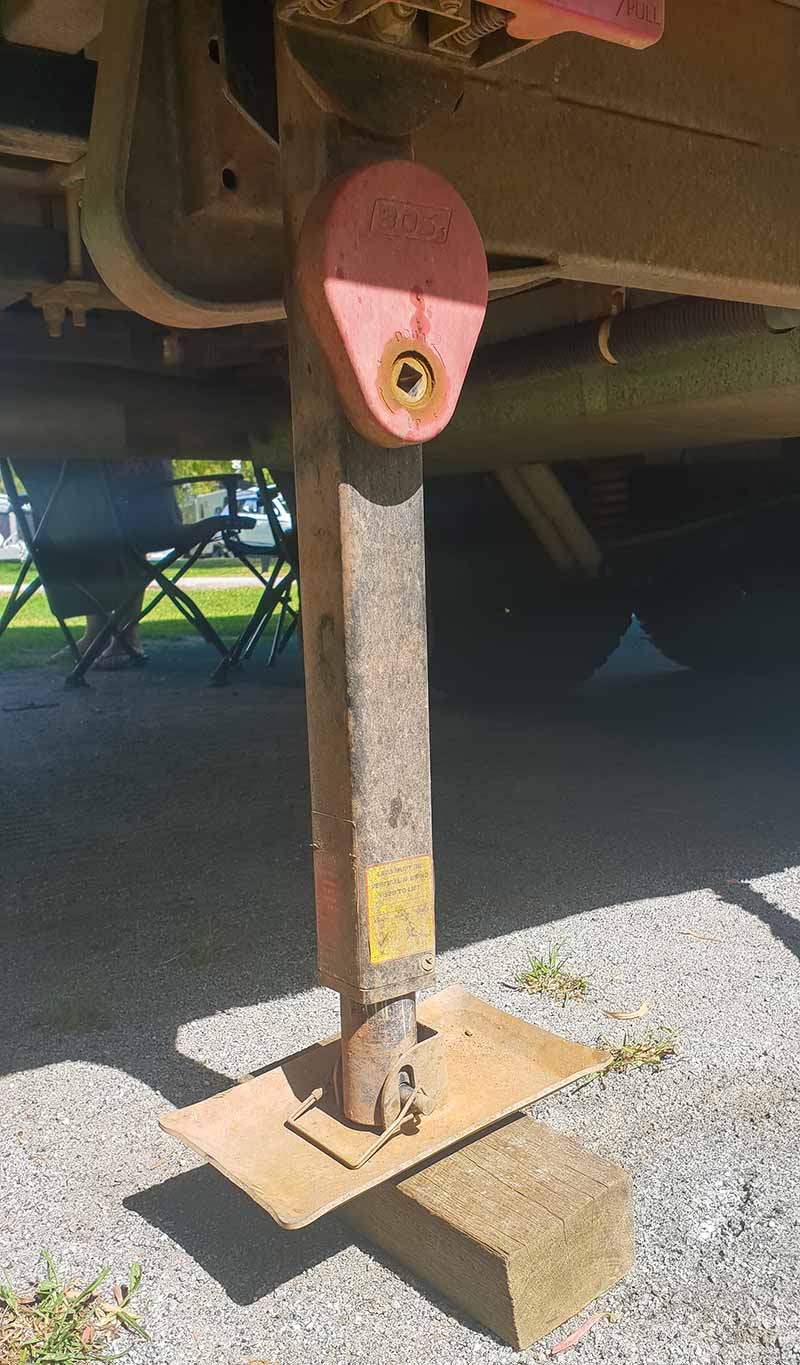
I know I said in the intro that getting a flat tyre shouldn’t kill you, but jacking up a car or large caravan to change a tyre, or do some mechanical repairs, can be very dangerous. Hydraulic or mechanical jacks have been known to fail, leading to a vehicle collapsing onto a person, causing serious injury or even death. A good idea is to pack as you jack, or place something solid under the vehicle as it is being raised. If jacking up your caravan, use the stabiliser legs to support it before attempting any work.
8. OBEY ROAD CLOSURE SIGNS
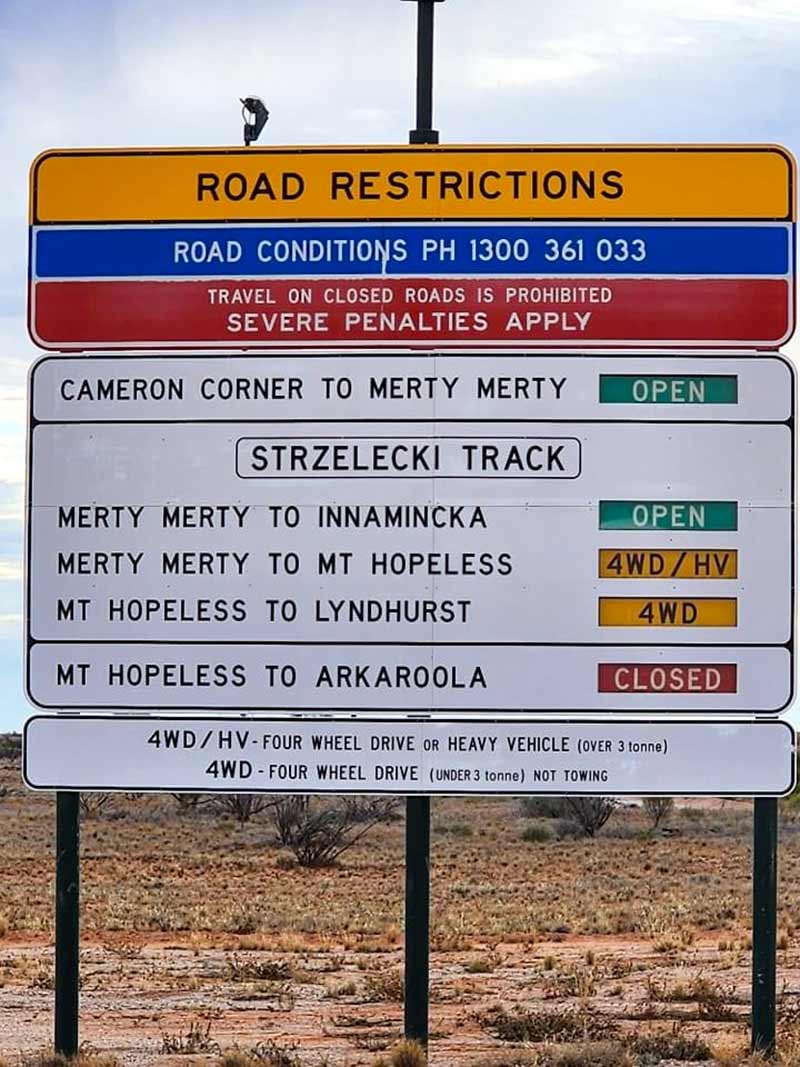
If you travel in regional or remote areas of the country, and you come across a sign indicating the road ahead is closed, you must not ignore it. They don’t close roads out there unless it is for a bloody good reason. Severe or dangerous flooding is the most common reason for a road closure. Other reasons include landslides, erosion or road damage, sink holes or bush fires, all of which could prove fatal if you ignore the warnings. And remember, if it’s flooded, forget it!
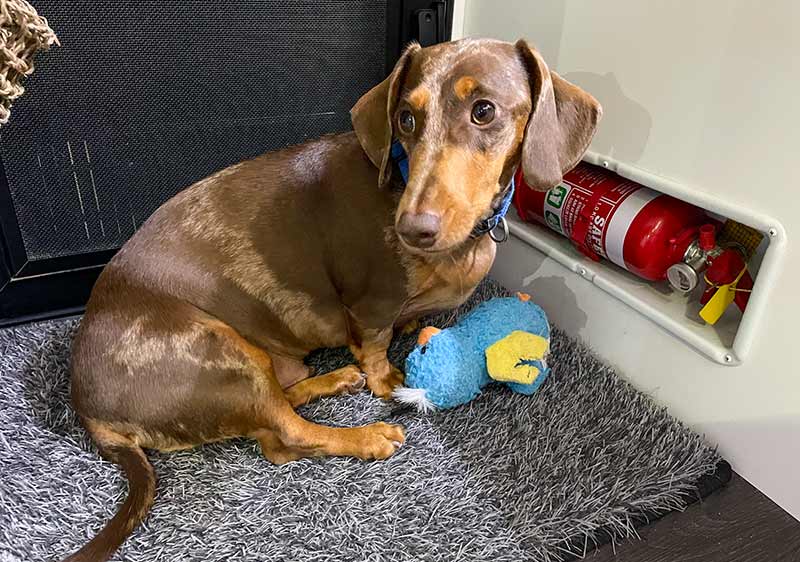
9. CARRY TWO FIRE EXTINGUISHERS
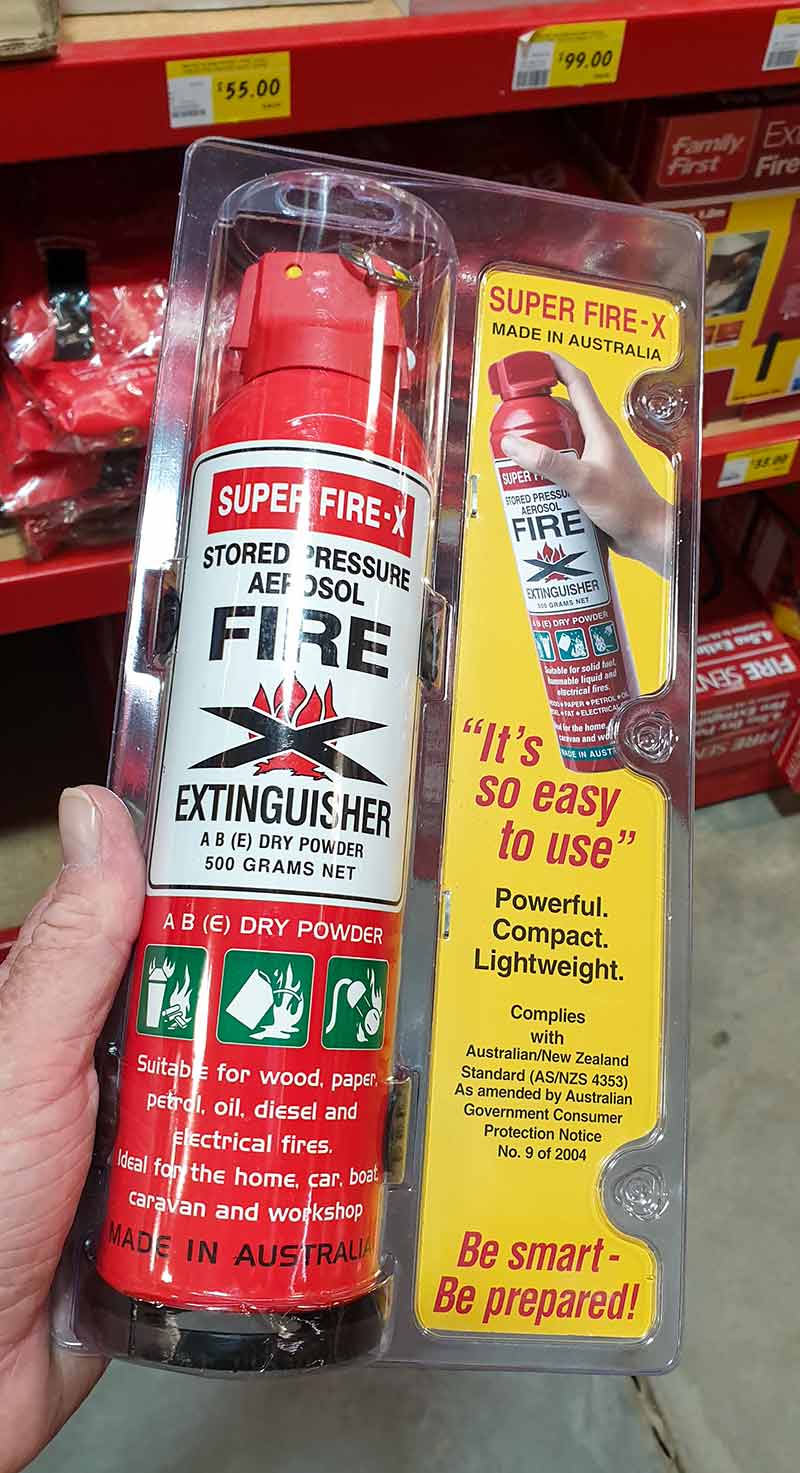
A car or caravan fire is a frightening thing, and they regularly result in property loss, serious injury and, in extreme cases, death. You need to have the ability to extinguish a fire before it gets out of control. Having a fire extinguisher in your car and caravan within easy reach means you should always have access to at least one in the event the other has a fire. Keep in mind that small fire extinguishers will only put out a small fire. Once fire takes hold of a car or caravan, it will grow and spread very quickly. In this case, the safer option is to stand clear, ensure all your travel companions are accounted for and call the fire brigade.
10. LET SOMEONE KNOW YOUR INTENTIONS
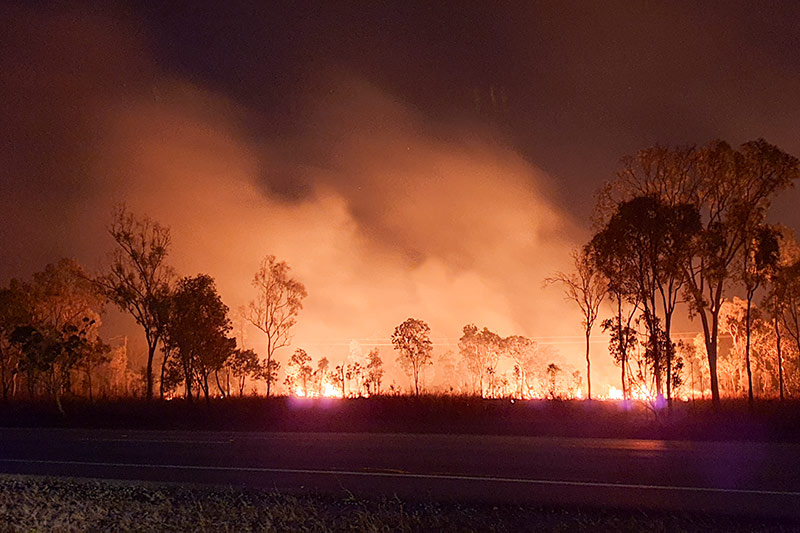
Whether you’re caravanning one of Australia’s iconic outback tracks or just hopping between towns along the east coast, it’s a good idea to ensure someone always knows your travel plans so that if something happens to you and you are unable to get help, they can raise the alarm and tell the emergency services where they should start looking for you.
SUMMING UP
This list is just a start to get you thinking about your personal safety. There are plenty of other things you can do when caravanning that will possibly save your life. Perhaps you’re an experienced traveller and have safety tips of your own. If so, why not share them with our readers? Send your tips to info@gorv.com.au and we will share them in a later issue of our free e-mag.